The 1909 Original Tarot Art: Where Modern Tarot Imagery Began
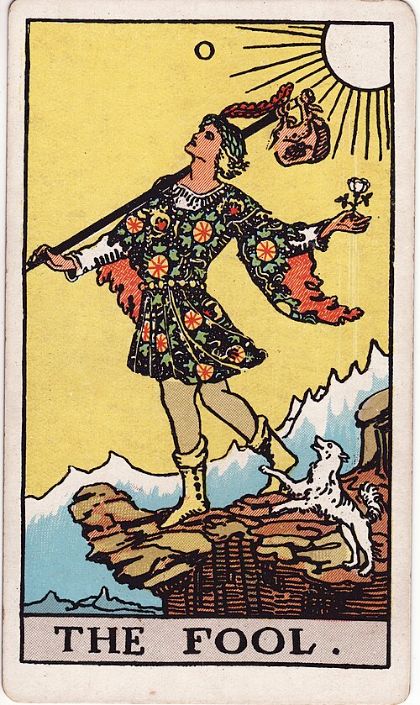
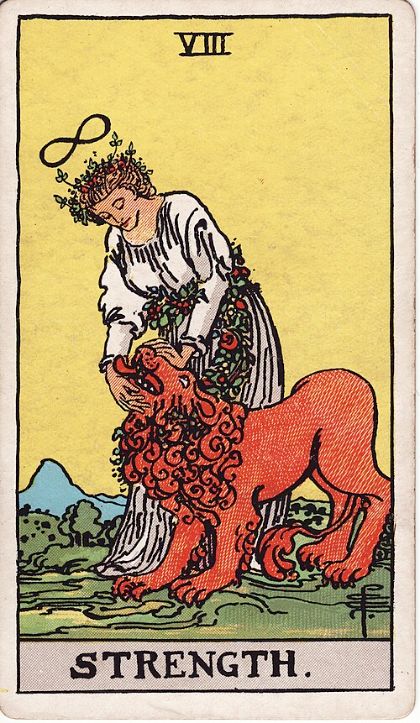
Search for tarot cards and the same pictures keep showing up: a young traveler stepping toward a cliff edge, a woman gently closing a lion's jaws, a figure pouring water under the stars. Most of these images trace back to a single deck published in London in 1909. Here is the story of the original art that became the root of the tarot pictures we know today.
A deck born in London in 1909
The deck was first published in December 1909 by William Rider and Son in London. The structure and symbolism of the cards were planned by Arthur Edward Waite, a scholar of mysticism, and the pictures were painted by the artist Pamela Colman Smith. In 1911 Waite also published a guide explaining each card. Named after the publisher and Waite, it is widely called the Rider Waite tarot, though many people today add the artist's name to give Smith her due. Since the Rider Waite name is now held as a trademark by an American card company, this page simply calls it the 1909 original.
Pamela Colman Smith, the artist
Smith was born in London in 1878 to American parents and grew up moving between England, the United States and Jamaica. She studied art at the Pratt Institute in Brooklyn, New York, and worked as a book illustrator and stage designer, as well as a storyteller who performed folk tales. Friends are said to have called her Pixie. The story goes that she painted all 78 cards in a matter of months for a modest fee and never received a share of the sales. She died in 1951, and after decades of being little known, she is only recently being recognized as the true creator of these images.
Scenes on all 56 Minor Arcana cards
What made this deck special was that every numbered card of the Minor Arcana got people and scenes too. Earlier decks usually showed only suit symbols on the number cards, so the Three of Cups was simply three cups. Unless you memorized the meanings, the cards were hard to read. In the 1909 original, the Three of Cups shows three people dancing with raised cups, and the Three of Swords shows a red heart pierced by three blades. The pictures tell a story at a glance, which let beginners read the cards by intuition. It is said that Smith looked at photographs of an old fifteenth century Italian deck with illustrated number cards while working. If you want to know how the two halves of the deck differ, read Major vs Minor Arcana as well.
The standard for modern tarot art
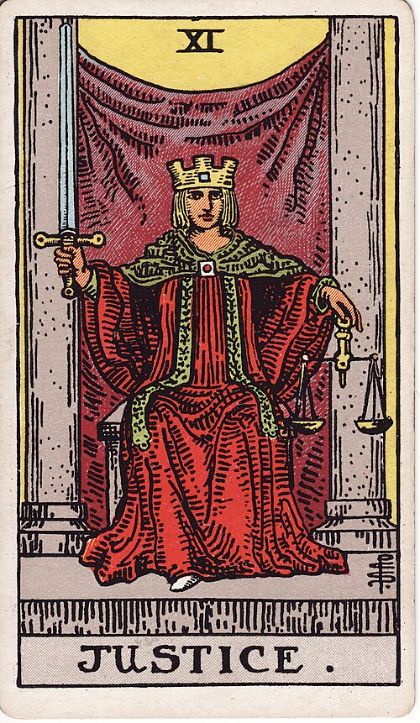
There are countless tarot decks in shops and online today, but a large share of them build on the compositions of this 1909 original. Many keep the poses, the objects in hand and the background symbols and only change the drawing style, so once you know the original, other decks become much easier to read. This deck also swapped the order of two cards, putting Strength at 8 and Justice at 11, and many modern guides follow that order.
What to look for in the original art
- Color: a bright yellow sky suggests clear energy and will, a gray sky heavy thoughts, and blue water feelings and the deep parts of the mind.
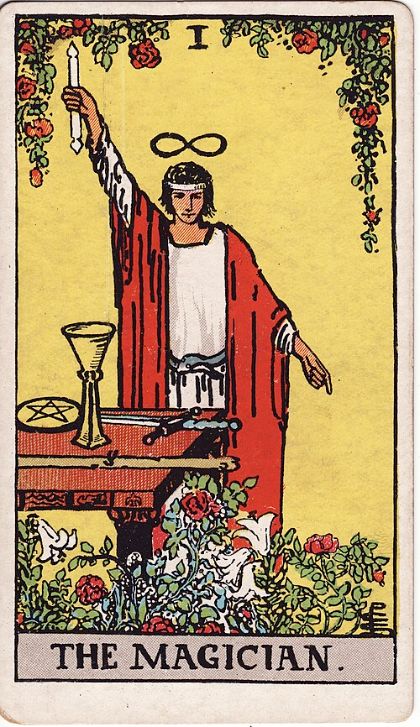
- Gestures: like the Magician with one hand raised to the sky and the other pointing to the ground, the direction of a hand often carries the card's message.
- Backgrounds: distant mountains, castles, pillars and streams show where you stand now and the road ahead.
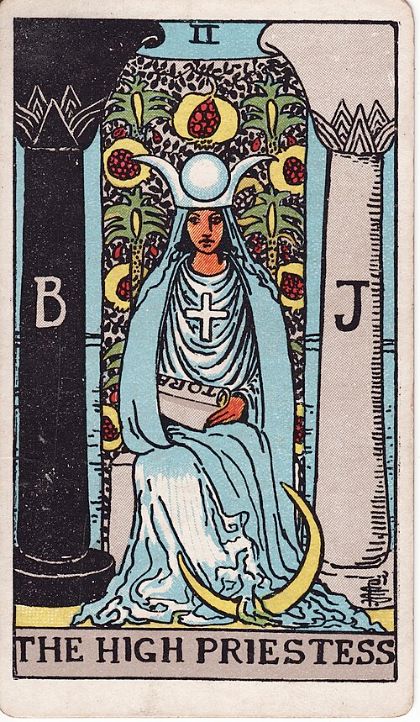
- Repeated symbols: look for signs that return across cards, such as white roses, the infinity sign and paired pillars, and you will see the story that links them.
Where the images on this page come from
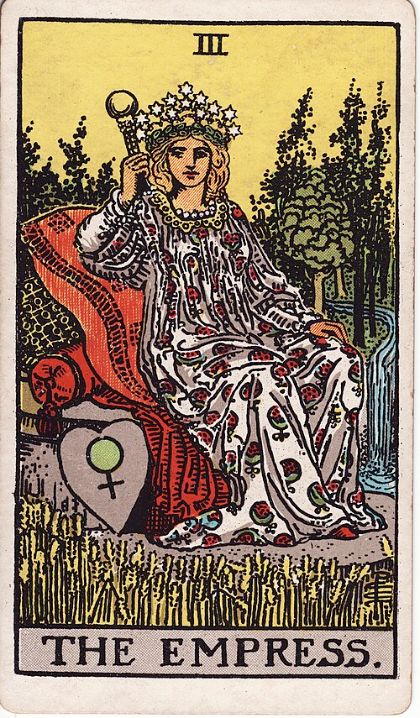
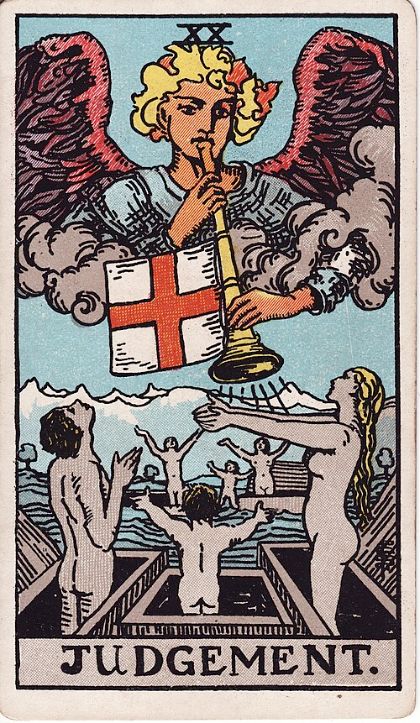
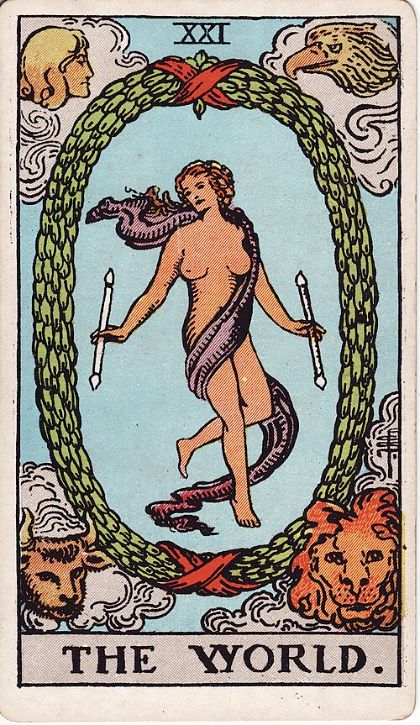
The images below are scans of first printings from around 1909 and 1910, shared on Wikimedia Commons. In the United Kingdom and Europe the original art entered the public domain once seventy years had passed after Smith's death, and in the United States it became public domain even earlier, so anyone can use the original pictures freely. Recolored editions published from 1971 onward are separate publications that may carry their own rights, so this page shows first printing scans only.
The card art you see in the tarot card dictionary and daily tarot on Fortune Alley is not copied from this original. It was designed by Fortune Alley. Compare the original pictures with our card meanings side by side and see how the same cards have carried on for more than a century.
The 1909 originals
Tap a picture to open its card meaning page.
Card meaning →
Card meaning →
Card meaning →
Card meaning →
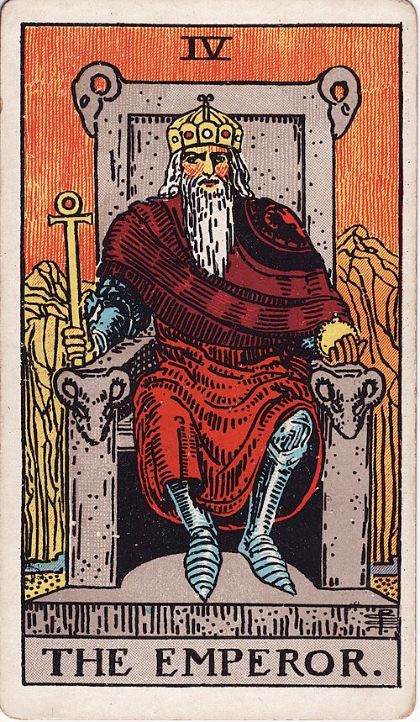
Card meaning →
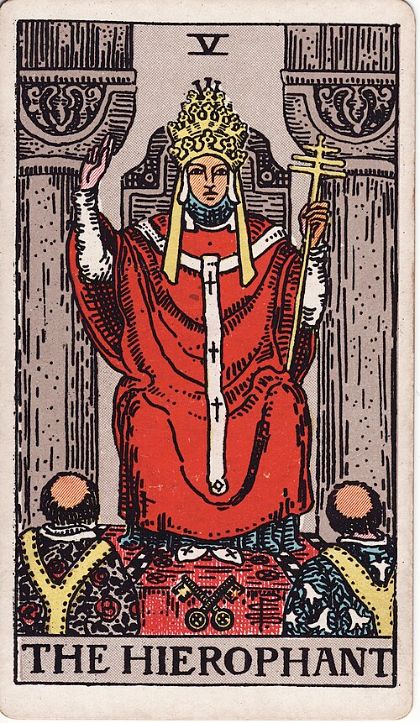
Card meaning →
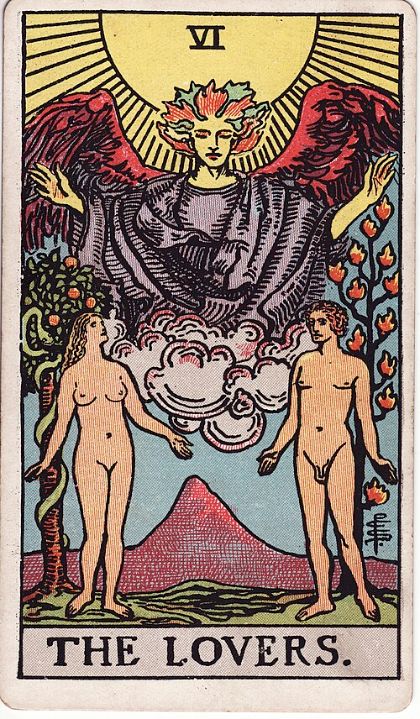
Card meaning →
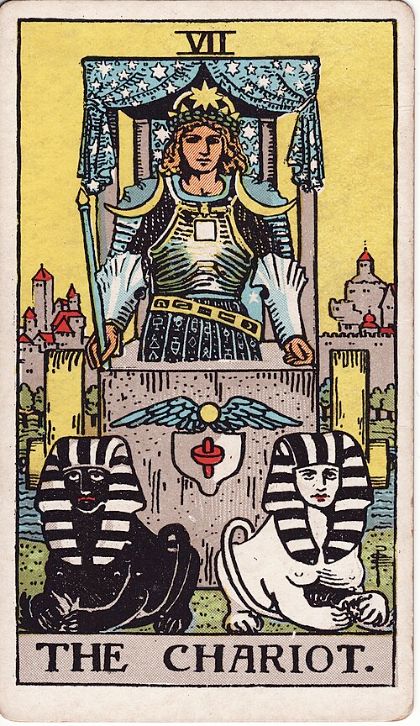
Card meaning →
Card meaning →
Card meaning →
Card meaning →
Card meaning →
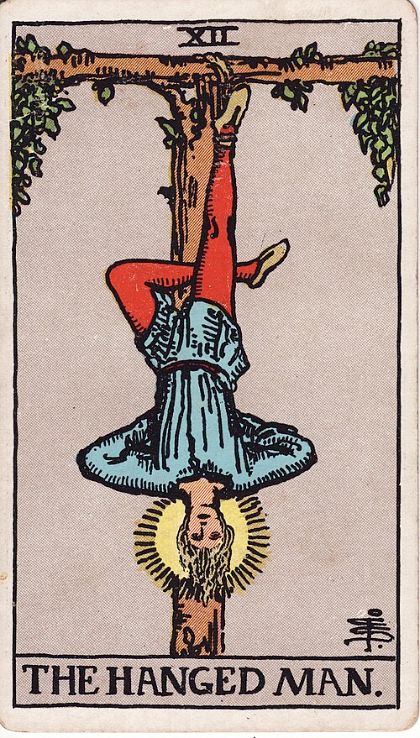
Card meaning →
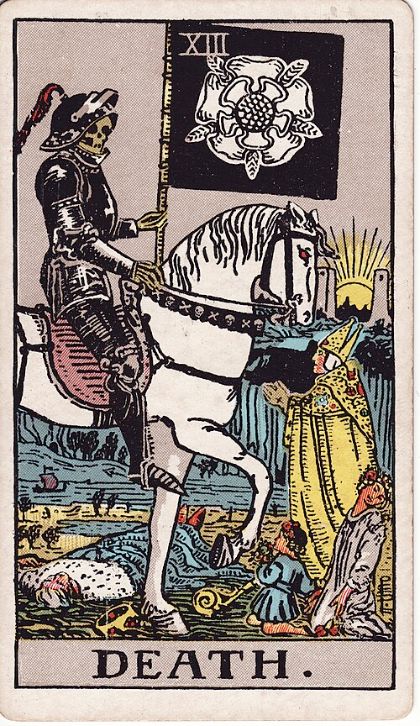
Card meaning →
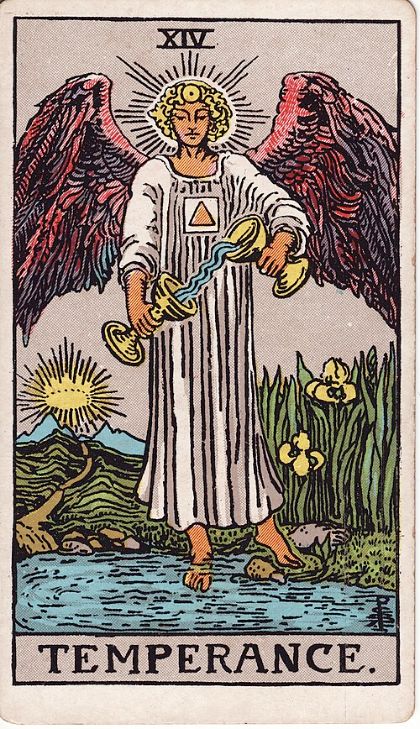
Card meaning →
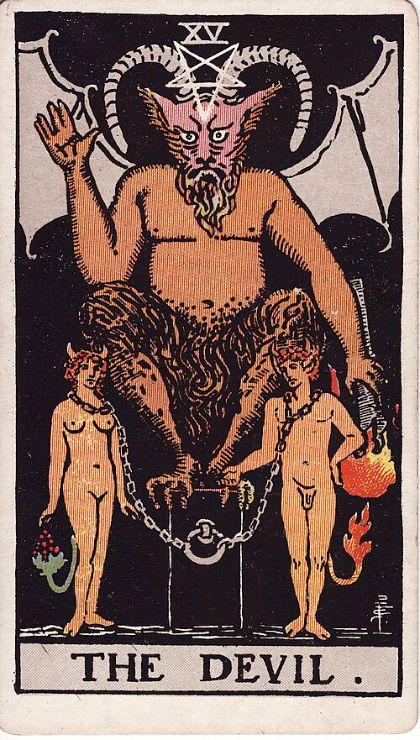
Card meaning →
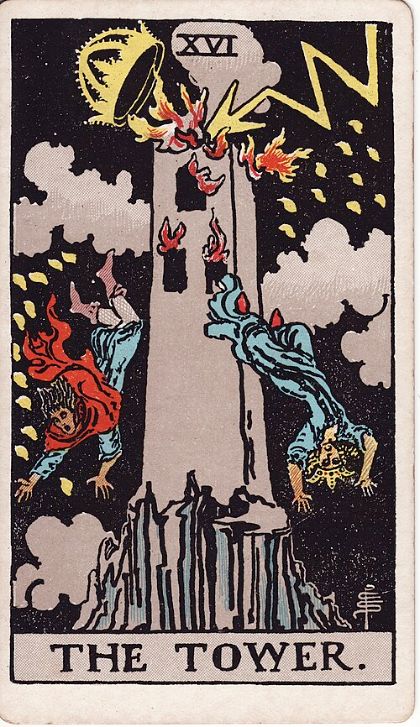
Card meaning →
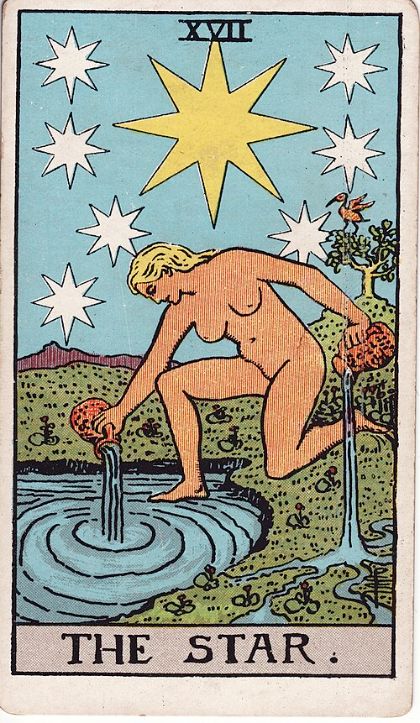
Card meaning →
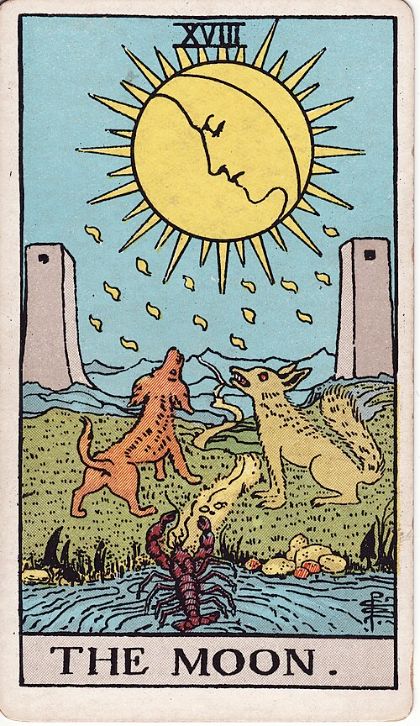
Card meaning →
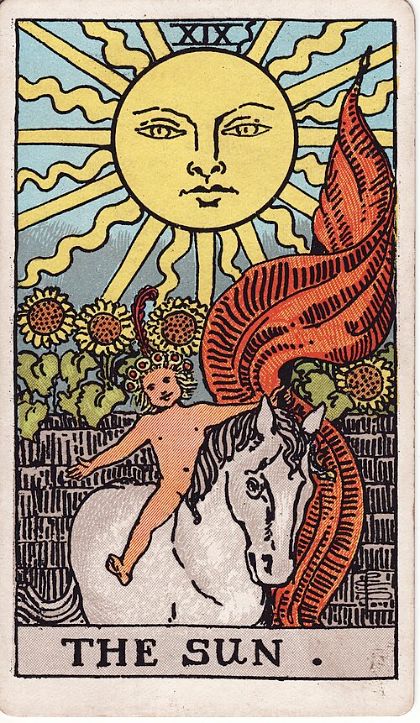
Card meaning →
Card meaning →
Card meaning →
Image sources
The images on this page are scans of the first printing (1909 to 1910) of the tarot drawn by Pamela Colman Smith, taken from public domain files on Wikimedia Commons. The original artwork is out of copyright, but later recolored editions may be separate copyrighted works. The card art used elsewhere on Fortune Alley is our own separate design.
- RWS Tarot 00 Fool.jpg
- RWS Tarot 01 Magician.jpg
- RWS Tarot 02 High Priestess.jpg
- RWS Tarot 03 Empress.jpg
- RWS Tarot 04 Emperor.jpg
- RWS Tarot 05 Hierophant.jpg
- RWS Tarot 06 Lovers.jpg
- RWS Tarot 07 Chariot.jpg
- RWS Tarot 08 Strength.jpg
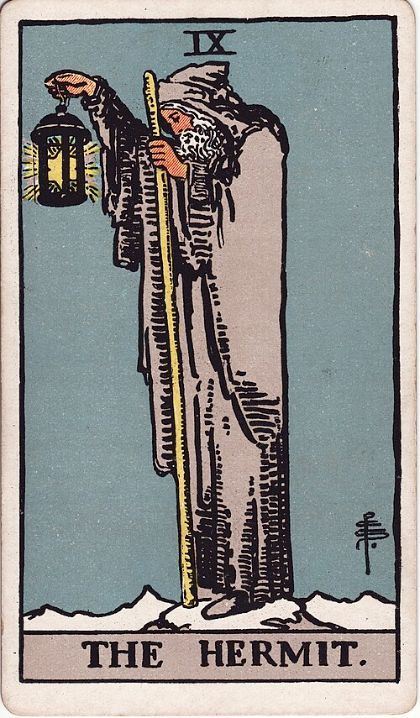
- RWS Tarot 09 Hermit.jpg
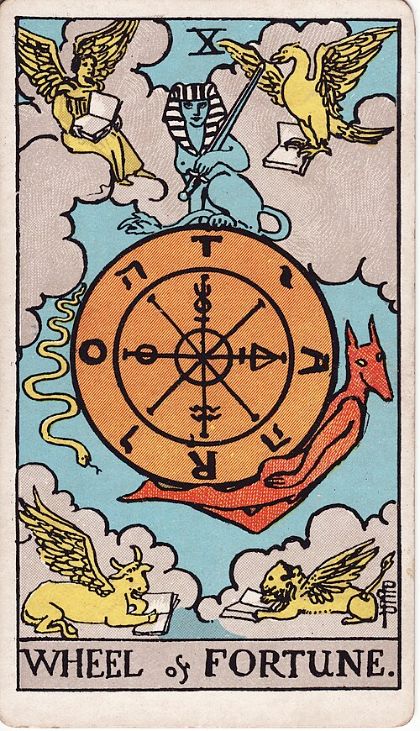
- RWS Tarot 10 Wheel of Fortune.jpg
- RWS Tarot 11 Justice.jpg
- RWS Tarot 12 Hanged Man.jpg
- RWS Tarot 13 Death.jpg
- RWS Tarot 14 Temperance.jpg
- RWS Tarot 15 Devil.jpg
- RWS Tarot 16 Tower.jpg
- RWS Tarot 17 Star.jpg
- RWS Tarot 18 Moon.jpg
- RWS Tarot 19 Sun.jpg
- RWS Tarot 20 Judgement.jpg
- RWS Tarot 21 World.jpg


